
The Price of Childhood Fame: Child Stars, Addiction, and Mental Health

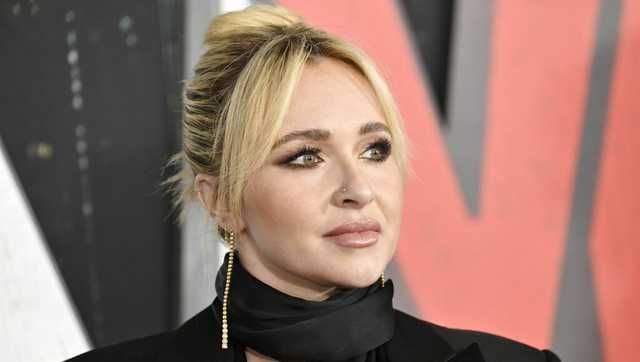
I confess I am not terribly familiar with Hayden Panettiere. Up until a week ago, I wouldn't have been able to pick her out of a lineup. I know I've heard the name, but I would never be able to place her face.
Sadly, Panettiere passed away last week. The more articles I read and the more I researched, the angrier I became. The reason I became angry is because I've seen Panettiere's life story play out too many times.
Panettiere appeared in commercials before she could even walk or talk. She was thrust into a profession and a lifestyle before she ever had the ability to reason or, even, form words to object.
Years later, Panettiere spoke openly about being pushed into acting from infancy. She described herself as a "little soldier" and said that growing up, "No was never an option."
Panettiere recently released a memoir, This Is Me: A Reckoning. In it, she was very open about how her life spiraled out of control in adulthood due to alcohol and drugs, depression, and other mental health issues like postpartum depression.
Panettiere died on August 16. She was only 36 years old.
I'm not going to speculate about her cause of death because none has yet been determined—and, really, it's none of our business. Authorities have said they've found no evidence of foul play.
However, there is a publicly released emergency-dispatch audio in which you can hear a dispatcher tell first responders they are responding to an "overdose" involving an "unresponsive female."
My first thought was Dana Plato.
But more on her later.
Panettiere is just the most recent example of something we've seen far too often: children who find fame at an incredibly young age and later struggle with addiction, mental-health problems or simply trying to take control of their own lives. Some of them eventually find their way through it.
Others die far too young.
So why am I mad?
I am mad at society. I am mad at the parents. I am mad at the entertainment industry.
Like Panettiere said, her life was planned out for her before she could even say, "No, I don't want to do that."
And why?
Because of the almighty dollar.
Too often, adults look at a talented, beautiful child and see dollar signs instead of seeing a child. They see a chance to cash in. They see a lottery ticket.
They don't see a brain and a personality that are still being formed. No one seems to consider the long-term future of that child.
No one considers what it means to always have to perform. To constantly be under public scrutiny. To be expected to be perfect. To lose your childhood, your privacy and your anonymity.
And the child can't defend themselves.
The people who should be their biggest advocates—their parents—are the ones I pin the most blame on.
The parents are the first ones to reach out to marketing or talent agencies. The parents are the ones who enter their kids into beauty pageants.
And the parents are the ones who, at any point during the process, could have said, "No!"
But after a while—if the child makes it big—the dynamic changes between parent and child.
Suddenly, Mom and Dad aren't just raising their child; they're relying on that child's paychecks to buy the groceries, pay the utilities and cover the mortgage. In some ways, the child is now raising the parents!
And as the money grows, so can the lifestyle. Bigger houses. Better cars. Lavish vacations.
Now the adults who are supposed to be protecting the child may have a financial interest in keeping that child working. They NEED the child to keep working.
Imagine that kind of pressure on a child.
Hell, I can't deal with the pressure of just providing for myself as a 54-year-old adult.
Let's take a brief look at some examples of child actors who found fame at an early age and the difficulties they faced as they grew older.
Judy Garland — Somewhere Under The Rainbow
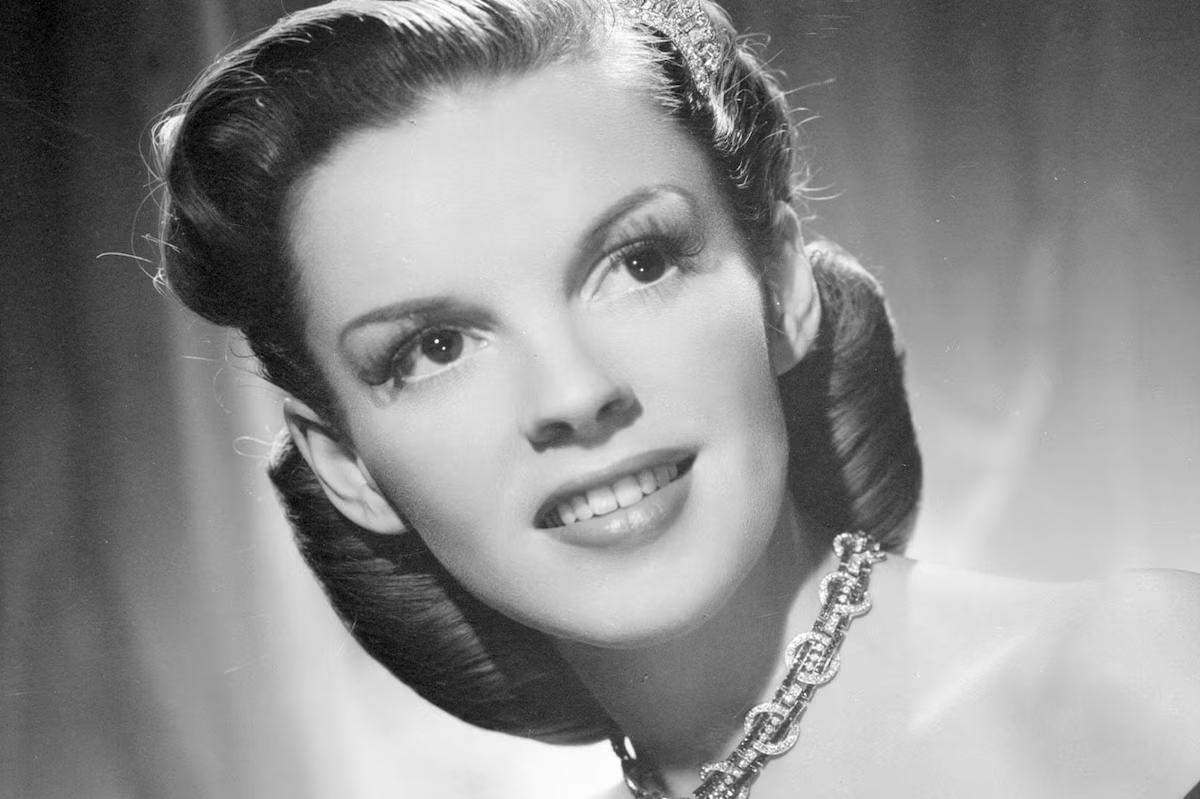
Yeah, I am going back all the way back to The Wizard of Oz.
Judy Garland, at the age of 17, won a special Academy Juvenile Award for her performance as the ruby-slippered Dorothy journeying down the yellow brick road of Oz.
Her rendition of ‘Over the Rainbow’ became iconic, and the song won the Academy Award for Best Original Song at the Oscars in 1940.
She was America's darling.
But behind the "Oh, Toto, I don't think we're in Kansas anymore" façade lay a girl who was being controlled by a movie studio who told her what to wear, what to eat, where to be, and how skinny she should be.
Garland would struggle with drugs and alcohol in her adult life. She died at the age of 47 from an accidental barbiturate overdose.
And Judy Garland's story didn't necessarily end with Judy Garland. Her daughter, Liza Minnelli, grew up watching her mother's struggles,and eventually fought many of the same battles with alcohol and drugs.
It's hard not to think about a kind of butterfly effect—how trauma and dysfunction in one generation can ripple into the next.
Jackie Coogan — The Child Star Who Became Uncle Fester
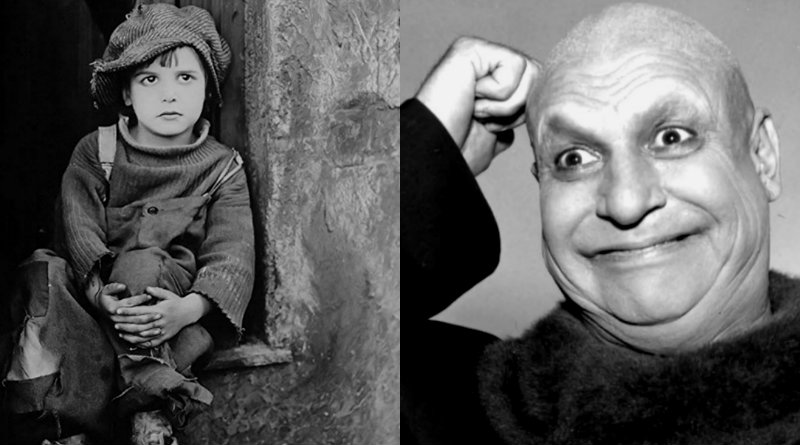
While researching whether Garland was one of the first truly major child stars in movie history, I came across Jackie Coogan.
Coogan was one of Hollywood's first major child stars, becoming famous worldwide at age seven after appearing alongside Charlie Chaplin in The Kid in 1921.
Coogan earned millions as a child, only to discover when he grew up that most of his money was gone after being controlled and spent by his mother and stepfather.
His experience helped inspire California's Coogan Law, designed to protect a portion of child performers' earnings from the very adults who are supposed to be protecting them.
How sad is it that such a law even had to be created and put in "the books"?
Tatum O'Neal — Bad News Bears Wasn't The Worst Of It
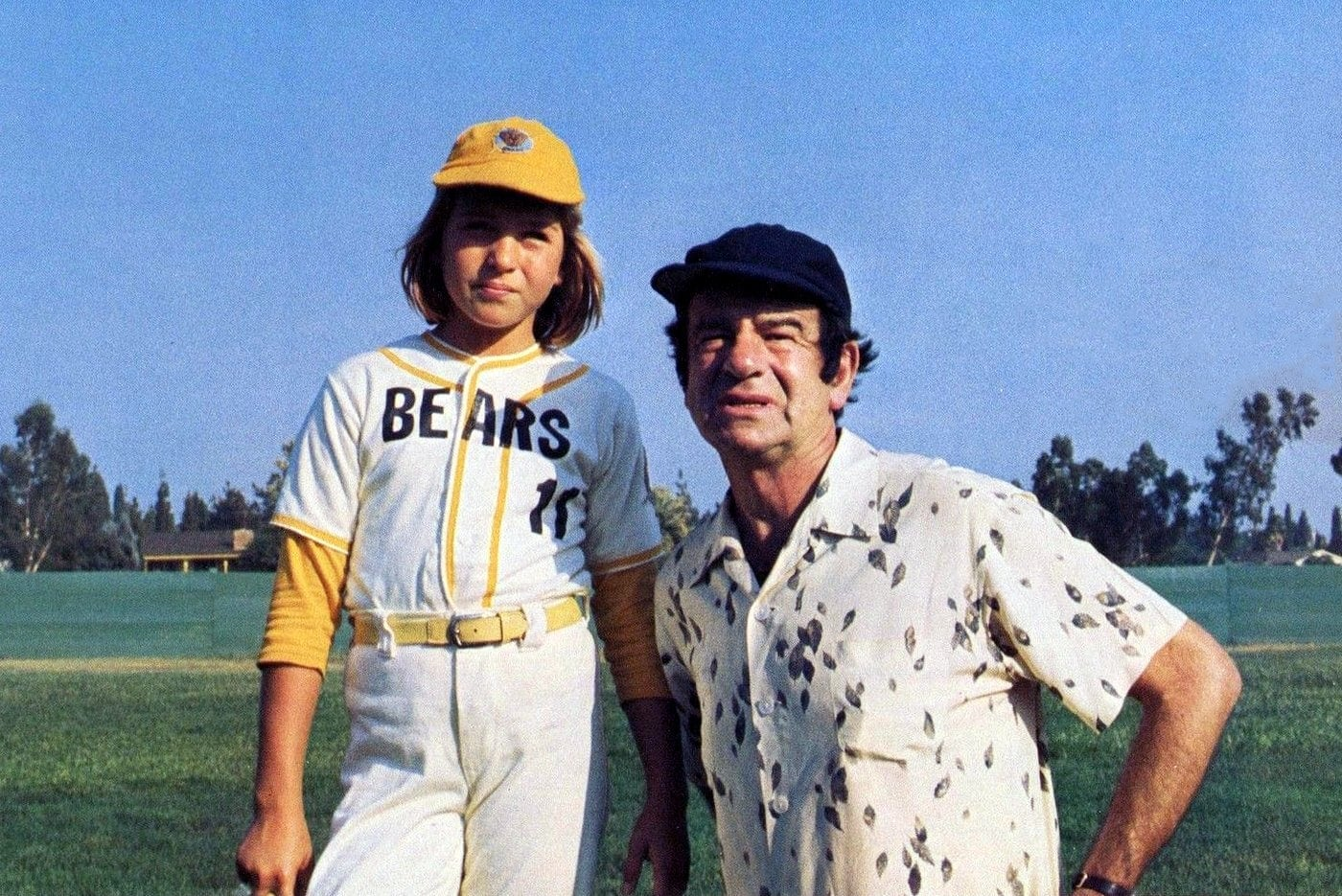
I knew Tatum O'Neal as Amanda Whurlitzer, the kid pitcher in The Bad News Bears. She was 12 when that movie came out, but she had already won an Oscar for her performance in Paper Moon in 1973 at the tender age of 10.
O'Neal had a very public and difficult relationship with her father, actor Ryan O'Neal, who would later become Farrah Fawcett's longtime partner. Tatum also battled addiction for decades after that early taste of fame.
Fortunately, O'Neal is still alive and serves as another survivor story—although just barely.
In 2020, she nearly died after overdosing on prescription medication, suffering a severe stroke and falling into a six-week coma. The stroke initially left her unable to speak or walk, beginning a grueling recovery that has lasted years.
Fortunately, she has made significant progress.
Drew Barrymore — Film Royalty
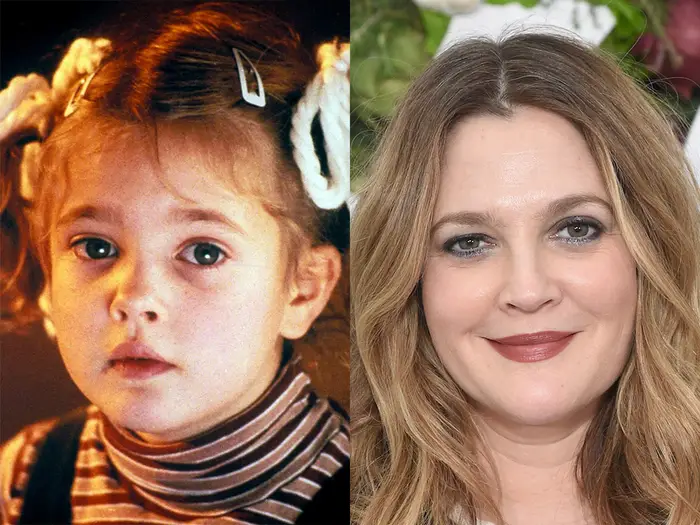
Yes, that Drew Barrymore—the one with the angelic smile who has starred in multiple movies with Adam Sandler.
Barrymore rose to fame at seven years old when one of the biggest blockbuster movies of my childhood, E.T. the Extra-Terrestrial, was released in theaters.
That sweet little girl from that movie soon developed a drinking problem—and, no, not apple juice. By the age of 13—an age when most kids are getting ready to enter high school—Barrymore was in rehab.
Barrymore also had an extremely complicated relationship with her mother, actress Jaid Barrymore. Her mother took her to nightclubs while Drew was still a child, including Studio 54 when Drew was only nine years old.
Whatever she saw there is not something a nine-year-old's eyes should be seeing or their brain registering.
At the age of 14, Drew legally emancipated herself from her mother.
To complicate things further, Drew came from a family of actors. Her father, John Drew Barrymore, was an actor who also battled alcohol and drug problems. Her grandfather, John Barrymore, was one of the biggest stage and screen actors of the early 20th century. He, too, battled alcoholism.
It really is an amazing lineage of entertainment royalty raised almost entirely within the industry.
Talk about having no choice!
Barrymore serves as one of the great survivor stories. That's a testament to her strength and resilience.
Or maybe there was also a little bit of luck involved in the fact that she is still with us today.
River Phoenix — Hollywood's Lost Young Star
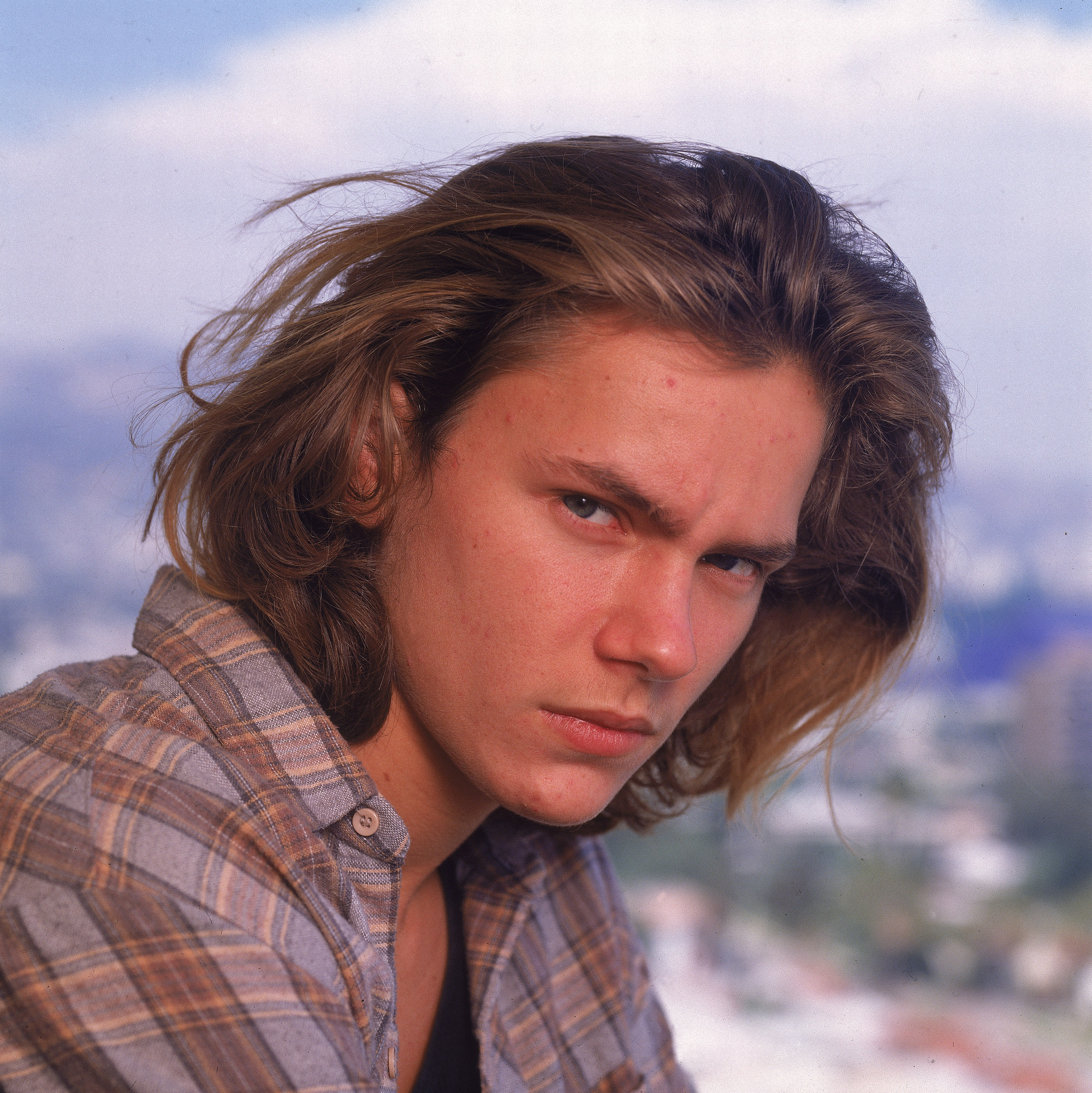
River Phoenix wasn't so lucky.
Phoenix was one of the first truly shocking young celebrity deaths I remember.
In 1993, Phoenix collapsed on the sidewalk outside the Viper Room, the West Hollywood club then co-owned by Johnny Depp. He died from acute drug intoxication involving cocaine and morphine.
He was only 23.
Phoenix rose to fame as one of a group of young actors in the 1986 Stephen King adaptation Stand by Me. Among the other child actors in the movie were Wil Wheaton, Jerry O'Connell and Corey Feldman.
Phoenix went on to play Harrison Ford's son in The Mosquito Coast (1986). He earned an Oscar nomination for his performance in Running on Empty (1988). One of his most acclaimed performances came in My Own Private Idaho (1991), starring alongside Keanu Reeves. He was part of an ensemble in Sneakers (1992) alongside cinematic icons Robert Redford, Sidney Poitier, and Dan Aykroyd.
River Phoenix was well on his way to becoming a cinematic icon of his own.
Instead, his life ended at 23.
Corey Feldman — The Wannabe Rock Star
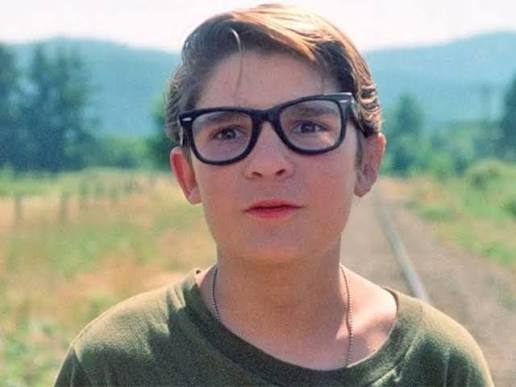
Let's see if you've been paying attention.
Yes, Corey Feldman was River Phoenix's co-star in 1986's Stand by Me. He went on to star in The Goonies and The Lost Boys.
Feldman has said that he and Phoenix smoked marijuana together for the first time while making Stand by Me. Feldman would later develop serious problems with much more serious drugs—cocaine and heroin.
Feldman is still alive today, and I was surprised to see him as a contestant on Dancing With the Stars in 2025. He was eliminated in just the second week of the competition.
To me, he looked like someone life had taken a toll on.
Corey Haim — The "Other" Corey
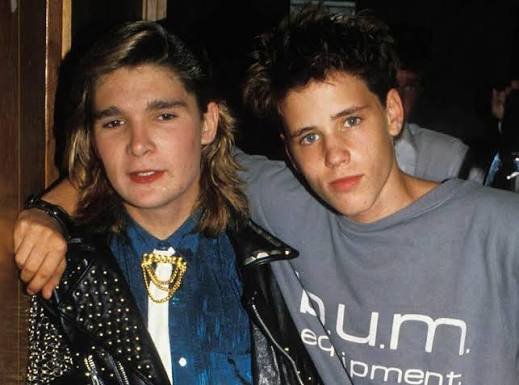
I, like many others at the time, often confused these two child stars of the 1980s who shared the same first name.
It didn't help that Corey Feldman and Corey Haim—I almost typed Corey Hart, the singer who had the hit "Sunglasses at Night" around the same time—became known as "The Two Coreys" and appeared together repeatedly in movies such as The Lost Boys, License to Drive and Dream a Little Dream.
Haim also battled serious drug addiction for much of his life.
He died in 2010 at the age of 38.
Given his long history of drug abuse, many people initially assumed he had died of an overdose. Surprisingly, the coroner found that neither illegal nor prescription drugs contributed to his death. Pneumonia, along with cardiovascular problems, was responsible.
Robert Downey Jr. — Before Iron Man
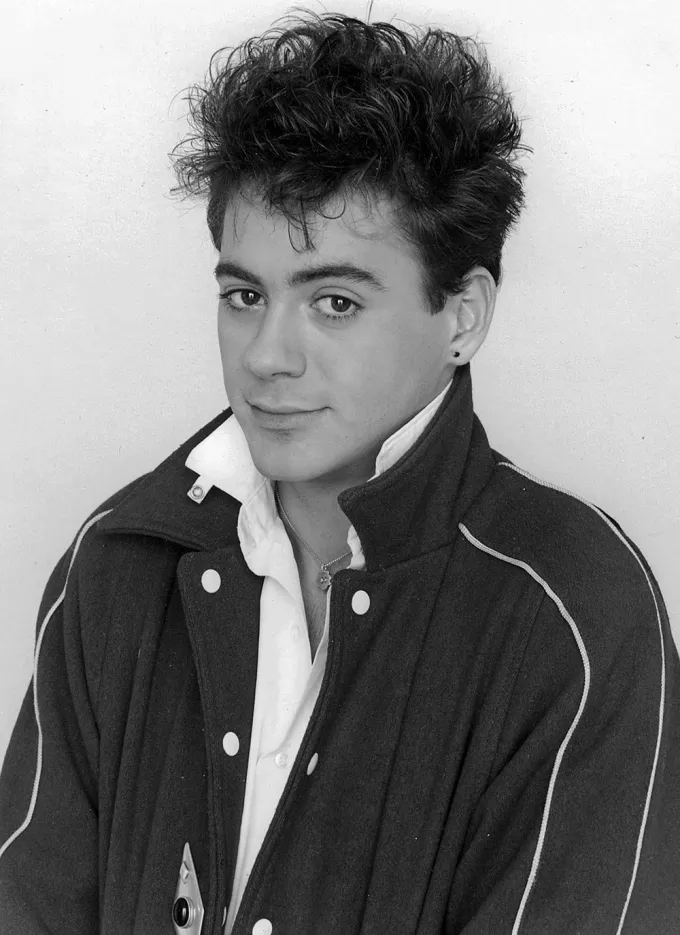
Yes, Iron Man himself.
Long before Robert Downey Jr. became one of the biggest movie stars in the world, there was a very real chance there would never be an Iron Man.
Downey began acting at age five in his father Robert Downey Sr.'s film Pound. A year later, his father introduced him to marijuana.
I don't think Downey Sr. was ever nominated for any Parent of the Year Awards.
What followed were years of serious drug addiction, arrests, failed rehab attempts and even prison time. By the late 1990s and early 2000s, Hollywood had largely written him off as unreliable.
I had almost completely forgotten about Downey until I saw him starring alone in Elton John's 2001 video for "I Want Love," silently lip-syncing lyrics about wanting love without all the pain that had accompanied it.
Elton John said he chose Downey specifically because he thought the song fit what the troubled actor was going through.
It's hard to imagine anyone else as Tony Stark and Iron Man, but it came very close to not happening.
Lindsay, Demi and Britney: Different Generations, Same Problems
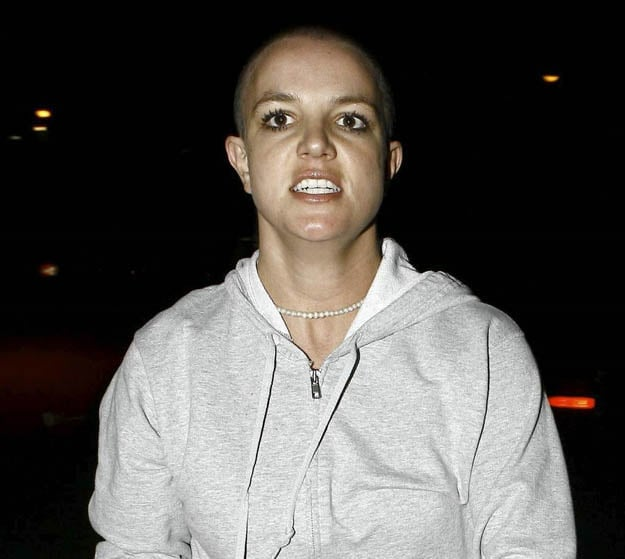
By the 2000s, the names had changed, but the pattern hadn't.
Lindsay Lohan became a star at 11 with The Parent Trap and later endured years of addiction, arrests and rehab stays while the tabloids treated every setback as entertainment.
Demi Lovato, who started acting as a child on Barney & Friends before becoming a Disney star, has spoken openly about addiction, mental-health struggles and the 2018 overdose that nearly killed her.
Britney Spears is a little different. Spears burst onto the scene with her 1998 hit, “…Baby One More Time.” The first time I remember seeing her was in the video for that song, dancing through the hallways of a school in that now-iconic schoolgirl outfit.
She looked so innocent.
Britney's story is less about addiction and more about struggles with mental health and control over her own life. After a very public mental-health crisis that included shaving her head in 2007, Spears was placed under a contentious conservatorship in 2008 that lasted nearly 14 years, with her father holding enormous power over her finances and even aspects of her personal life.
Todd Bridges — The Last Surviving Stroke

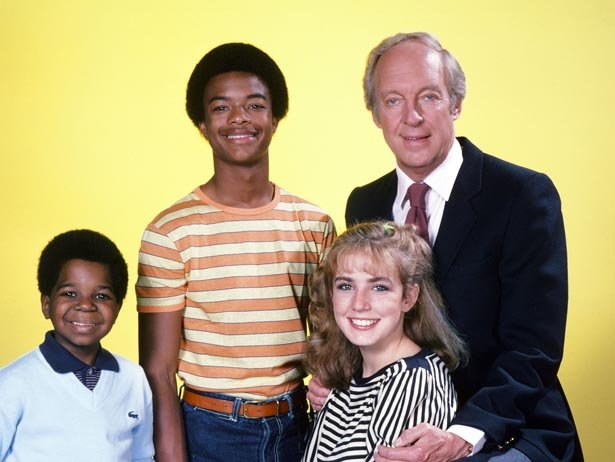
Now we arrive at the Diff'rent Strokes child-actor stories, which are what really got me thinking about this article.
Diff'rent Strokes was one of my favorite TV shows growing up. I watched little Arnold, big brother "Whatchoo talkin' 'bout, Willis?" and, more than anything, cute Kimberly—when she was included in an episode. Picture my disappointment when she wasn't.
Todd Bridges, who played Willis, essentially grew up on the set of Diff’rent Strokes, spending virtually his entire teenage years filming the show from 1978 to 1986.
Bridges later descended into serious cocaine and crack addiction and repeated legal trouble.
In 1989, only three years after Diff’rent Strokes ended, the 23-year-old Bridges faced an attempted-murder charge stemming from a drug-related shooting at a crack house. He was ultimately acquitted of those charges.
He has spoken about childhood sexual abuse and other trauma that he claims he tried to bury with drugs.
There was a long time when I didn't think Bridges would be here today.
But he is.
Now 61, Bridges has been sober for more than three decades. He continues to act, but perhaps more importantly, he speaks publicly about addiction and recovery.
Gary Coleman — Forever Arnold
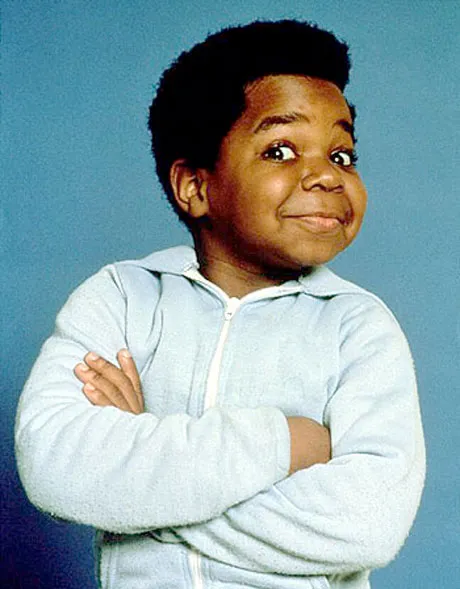
Gary Coleman may be the clearest example of what happens when Hollywood needs a child star to remain a child.
He was 10 when Diff'rent Strokes premiered in 1978, playing 8-year-old Arnold Jackson.
Because kidney disease and its medication restricted his growth, Coleman continued to look much younger than his actual age.
By the time the show ended in 1986, he was 18, but producers had spent years trying to preserve the cute, childlike Arnold audiences loved. Coleman later said he had grown sick of the role while still a teenager and resented being forever identified as little Arnold.
His financial story was just as troubling. Coleman earned millions as a child, later sued his parents and a former adviser over the handling of his money, and won nearly $1.3 million.
Yet he eventually filed for bankruptcy and at one point worked as a shopping-mall security guard. Hollywood wanted Gary Coleman to remain Arnold Jackson long after Gary Coleman was ready to grow up.
Coleman died in 2010 at just 42 years old after suffering a fall at his Utah home that caused bleeding around his brain.
His death was ruled accidental, bringing an unusually difficult life—marked by childhood fame, chronic health problems, financial battles and resentment of the role that defined him—to an early end.
Dana Plato — The One That Hit Me Hardest
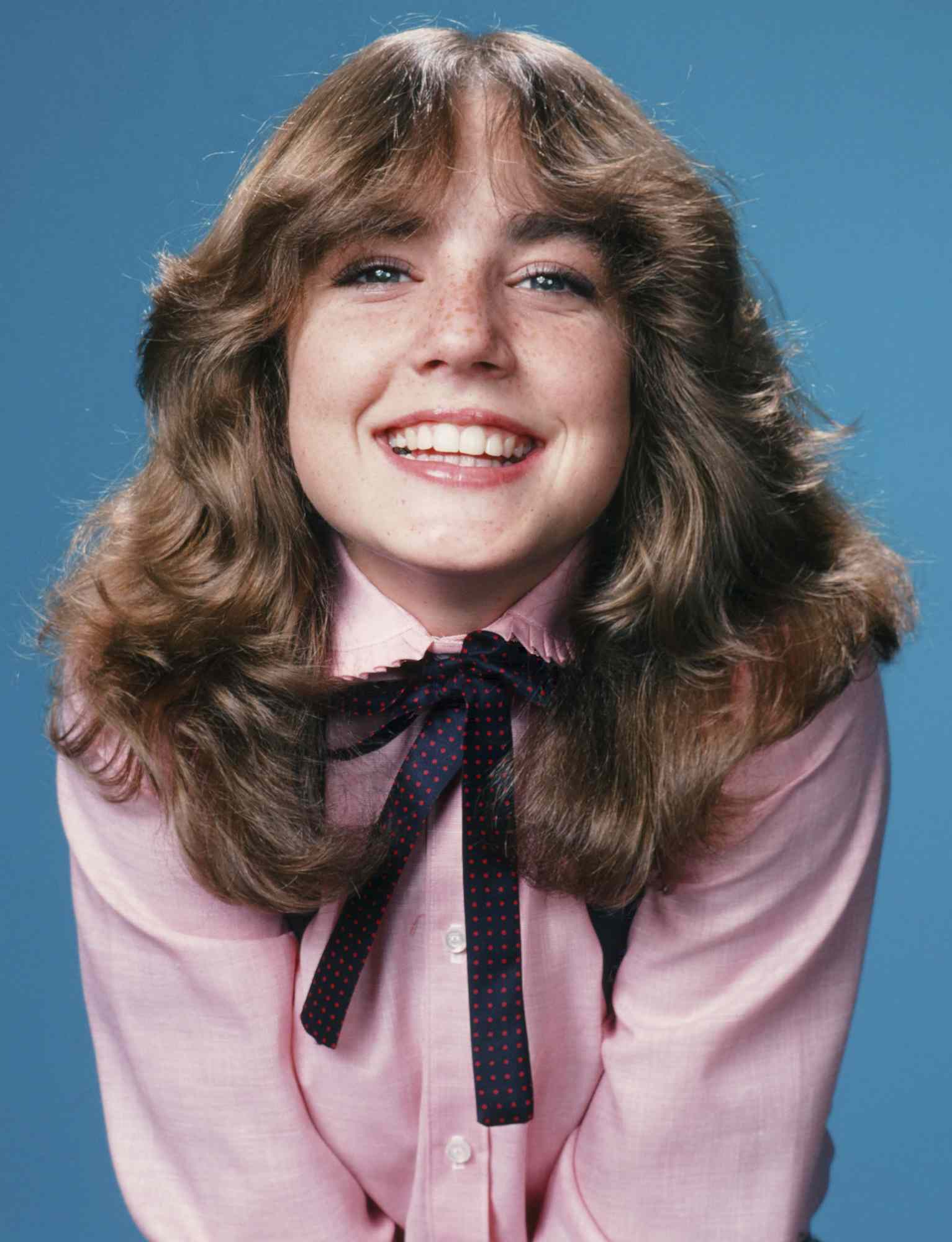
But Dana Plato is the one that has always hit me the hardest.
Maybe it's because I had such a clear image of her as Kimberly Drummond—the pretty, smiling, seemingly innocent teenage girl living in that beautiful Manhattan penthouse on one of my favorite shows
Plato was only 13 when Diff'rent Strokes began.
By her twenties, the television career was essentially gone as her life spiraled out of control. She struggled with alcohol and drugs, had financial problems and couldn't land any acting gigs.
In 1991, the former star of one of America's most popular TV shows walked into a Las Vegas video store with a pellet gun and robbed it of roughly $160.
The following year she was arrested for forging a Valium prescription.
In 1998, I found out Plato appeared in a soft-core porn film called Different Strokes: The Story of Jack and Jill...and Jill.
(I always got a kick out of how porn movies put their little twists on mainstream titles)
Before I could even see the movie—which, being a huge fan of hers, I was more than eager to do—Plato appeared on Howard Stern's radio show on May 7, 1999.
She insisted to a skeptical Stern and his even more skeptical audience that she had been sober for years. Callers openly challenged her claims, mocked her, and ridiculed her to no end.
It was hard to watch. It was even harder knowing what would happen next.
The following day, Dana Plato was dead.
She had overdosed on prescription painkillers and muscle relaxants. Her death was ruled a suicide. She was only 34.
Of all the people I've written about here, Dana Plato is the image I keep coming back to.
I remember the freckle-faced Kimberly Drummond, always smiling on television, with no idea of the pain and struggles that still lay ahead.
Final Thoughts
I have a real soft spot for these child-actors-turned-adults. I feel sorry that so many of them entered this world without much of a chance—or a choice.
Some of these child stars were fortunate enough to survive their darkest years, get sober, and take control of their lives.
Others never got that chance.
I don't place the blame on the children who later turned to drugs, alcohol or other forms of escape. In many ways, they were simply searching for an exit from a life that had been chosen for them before they were old enough to choose anything for themselves.
The real responsibility belongs to the "grown ups," the parents, the industry and a culture that keeps turning children into investment stocks—and then the public acts surprised when some of these child celebrities spend their adult lives trying to escape the public eye, in one way or another.